
Kitchen Cabinet Quote Comparison
Compare an original and alternative Jonesboro cabinet range with construction, unit availability, completion pieces, and written quote differences.
Bring your project details together before considering a cabinet purchase.
Send my cabinet inquiry
Or call (562) 203-3232. Calls only, we do not receive text messages.
When a seller asks a cabinet question you cannot answer, that question can identify the next useful guide. A Jonesboro buyer might need an appliance model, a decision about assembly, or the name of a receiving contact before another proposal is meaningful. Clayton Cabinet Ledger connects six buying topics to those missing answers, making each guide a way to prepare one specific response.
This directory follows the questions back to the evidence they need. It does not turn six article titles into six promised professional services. The owner records submitted inquiries for review; the actual seller and any independently engaged professional must accept the goods or work. Use the guides to prepare the conversation rather than assume somebody has already committed to it.
About Clayton Cabinet Ledger
Independent cabinet buying information and quote-request service. We do not manufacture, stock or install cabinets. A referral, supplier response, appointment or purchase is not guaranteed. Product availability, delivery and installation must be confirmed directly with the seller or separately engaged contractor.
Every service
Compare an original and alternative Jonesboro cabinet range with construction, unit availability, completion pieces, and written quote differences.
Test a Jonesboro cabinet layout by tracing dishwasher and drawer operation back to actual room measurements and selected product documents.
Evaluate Jonesboro RTA goods with paid assembly by checking the actual unit instructions, accepted tasks, shipment dependencies, and quoted scope.
Compare drawer and door vanity storage for a Jonesboro bathroom using observed plumbing, complete component lists, fit questions, and price scope.
Keep two similar Jonesboro kitchen orders distinct through room labels, revision decisions, substitutions, quote reconciliation, and receiving records.
Compare pickup and carrier fulfillment for a Jonesboro cabinet order by identifying shipment facts, accepted handoffs, handling, and reporting terms.
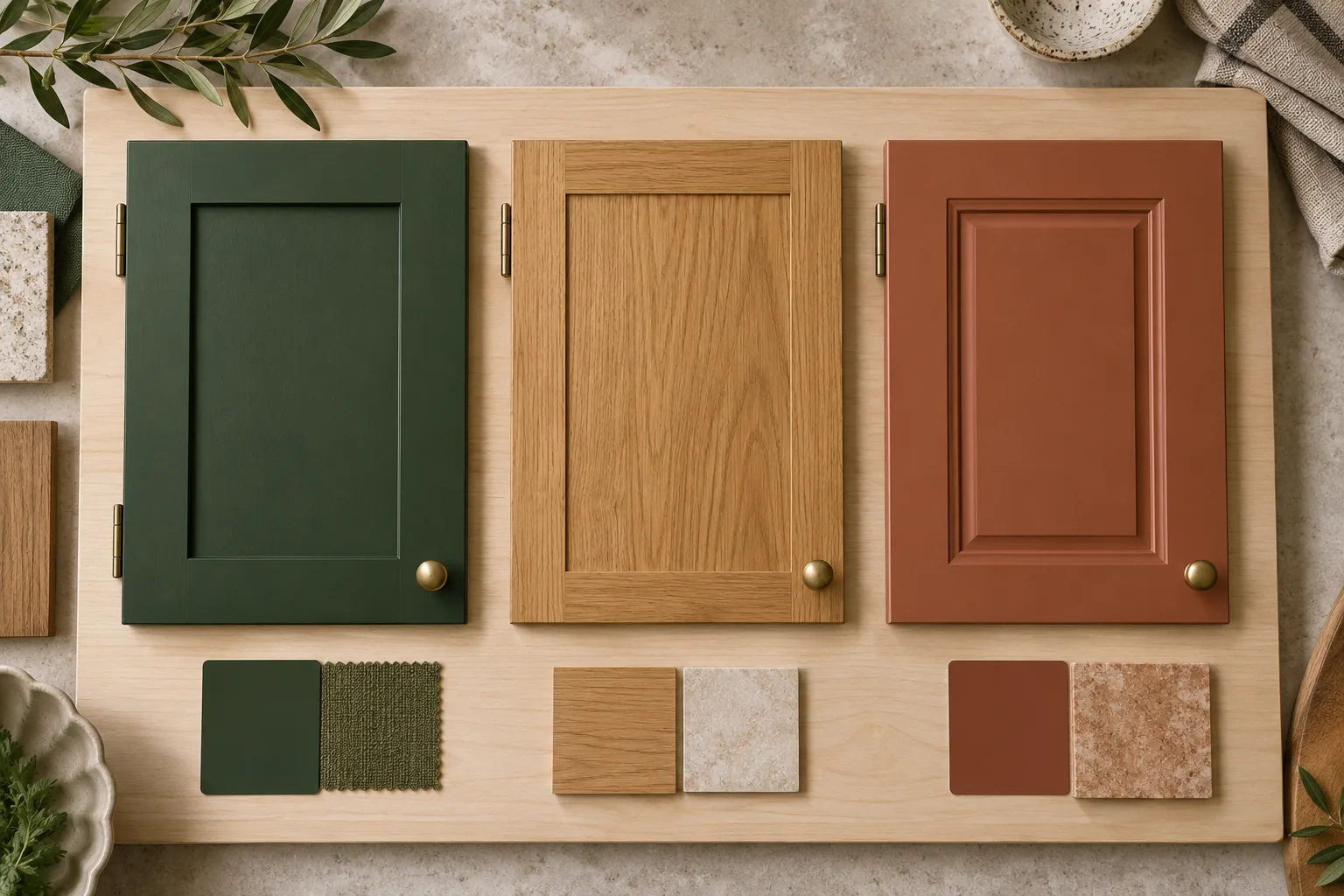
Open the kitchen quote guide when the seller needs a stable product request or when competing offers describe different goods. Its comparison method asks what changes between two offered cabinet lines. You need recognizable quantities, intended completion pieces, and a clear distinction between the base arrangement and any alternate being considered.
A hypothetical buyer may ask for a simpler door to reduce the purchase amount. The seller should explain whether that changes only the front or also the box, hardware, and available sizes. The guide turns a vague request for a cheaper kitchen into an identifiable alternative. A different product range is a choice to understand, not merely a number to subtract.
The output is a record of equivalent lines and deliberate differences. Use it when asking the seller to revise its proposal. Keep unanswered entries visible so the next estimate does not quietly fill them with assumptions. A comparison is ready to discuss when both parties can point to the exact question behind the revision.
Use the layout guide when a proposed unit depends on room facts you have not checked. It starts from how the intended arrangement will operate and traces each uncertainty back to an observation or document. The room record needs recognizable reference points, retained appliance information, and limits on what could actually be observed.
For example, a dishwasher beside a storage drawer can raise an operation question even if the overall wall length looks sufficient. Ask which actual models and unit details are being considered. The relevant test concerns their relationship, not a numeric allowance assumed to work everywhere. The guide helps you explain that check to the person approving the plan.
The output is an open-question map tied to the drawing. It does not certify a field measurement or supply a professional design. Ask who will resolve each issue and how the purchasing version will record the answer. The seller's ability to price a drawing does not prove every underlying room fact is established.

The RTA and assembled guide helps when the seller asks what format you want or who will perform the remaining assembly. Compare exact offered products, their instructions, and the tasks each leaves after receipt. Assembly format alone cannot settle construction quality, skill requirements, or the scope of a separate installation agreement.
A hypothetical buyer hoping to engage an assembler needs to provide that person the actual unit list and instructions before relying on an amount or timetable. The assembler may need clarification that a generic RTA label cannot provide. The guide helps identify dependencies between the goods order and the independently arranged work.
The output is a responsibility comparison. It should show the accepted party for each task and leave unarranged work plainly open. A format decision made before resolving those responsibilities may change later. Keep the option provisional rather than assuming assembly help exists because it would make the product price attractive.
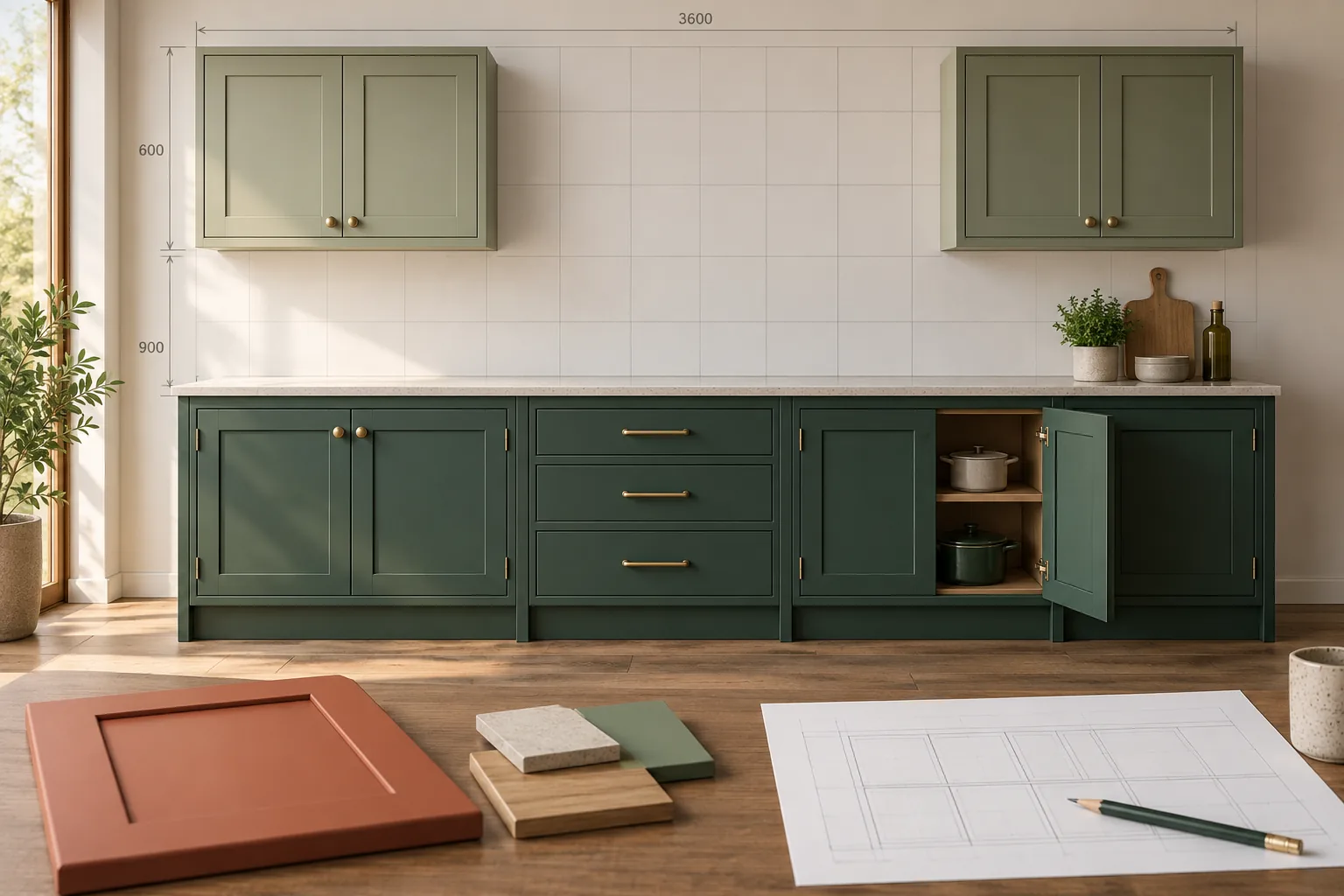
The vanity guide is useful when the offered cabinet must work with a top, basin, plumbing, or door operation. Its exercise compares drawer storage with a door-front option. Both need a complete component request and actual fit information. A pictured matched arrangement does not establish that every component is included in the proposed sale.
The contractor-package guide becomes useful when several rooms or repeated units make identities hard to follow. Its example concerns two kitchens with similar-looking products and different details. Room labels, version control, and an expected shipment reference help distinguish them. The method does not establish contractor-account eligibility or a volume offer.
These guides produce different records: a component dependency list and a room-based schedule. Choose according to the uncertainty. A buyer can use both if necessary, but should not merge a plumbing compatibility question with an unexplained package discount. Each belongs with the party and documents capable of answering it.
The useful budget question is what the missing answer changes. If the issue is format, compare the product and assembly arrangements. If it is a vanity component, identify the additional piece and any independently arranged work. No verified Jonesboro price evidence supports assigning a standard amount to any of these guide topics.
Ask for a revised estimate with the relevant choice identified and other assumptions preserved where feasible. If several choices change at once, list them. The buyer can still evaluate the proposal, but the difference is a bundle rather than the price of one task. Mark a service not yet offered as unknown, not included or free.
Task-focused estimates are subject to change as the unanswered details are settled; the actual seller's written quote must establish its accepted goods, responsibilities, and price. A guide selection does not reserve a rate or create a provider relationship. Separately engaged labor or advice needs terms from the party willing to supply it.
The delivery guide compares pickup with the carrier service actually offered. It asks where responsibility changes hands, how goods are identified, what handling remains, and what reporting procedure applies. You need destination or pickup information and the product shipment details, not an assumption that a short journey makes either option straightforward.
The FTC estimate guidance supports looking for written scope, materials, timing, and price. That habit connects all six guides: obtain an answer specific enough to preserve beside the proposal. It does not establish the Ledger's affiliation with a seller or certify any offered date.
Send the owner the question you could not answer, your project locality, the relevant record, and preferred timing. An inquiry is reviewed rather than automatically distributed. Contact sharing for a possible introduction requires permission and a willing recipient. A clear question helps preparation, while actual availability and acceptance remain for the transaction parties to establish.
Inquiry process
Sending an inquiry does not reserve products or book work.
Include project ZIP, room, approximate cabinet list and preferred timing.
Identify assembly, access, measurements and any separately arranged labor.
An inquiry can be referred only if a suitable seller accepts the location and product request.
Confirm the final drawing, itemized price, payment, delivery and return terms directly before ordering.
Questions
Use layout planning to connect the retained appliance model and documentation to the intended arrangement. Identify the units whose selection depends on that information. Keep affected lines provisional until the party checking the plan has the facts needed to assess them.
They describe buying information topics rather than an established measuring, assembly, plumbing, or installation service. A relevant professional must separately accept any work you wish to arrange. The owner can review your inquiry record without creating those commitments.
The contractor-package method makes room identity, product references, quantities, and versions visible. Use it to prevent a unit intended for one room from being mistaken for another. Ask the seller to preserve those distinctions in the quoted and expected shipment records.
Yes, describe the format question and the products or tasks you are comparing. Label the choice as unresolved and include the evidence already available. The record goes to owner review; no assembler or supplier is automatically assigned to complete the decision.
Describe the purchase and project ZIP in Jonesboro. Supplier acceptance and any referral are confirmed separately; no visit or quote is booked by this form.
Calls only, we do not receive text messages.